People
Concentrating expertise across disciplines
Participating researchers span computer science and other fields relevant to AI safety, including mathematics, economics and law, with an active visitor program.
Founding scientists
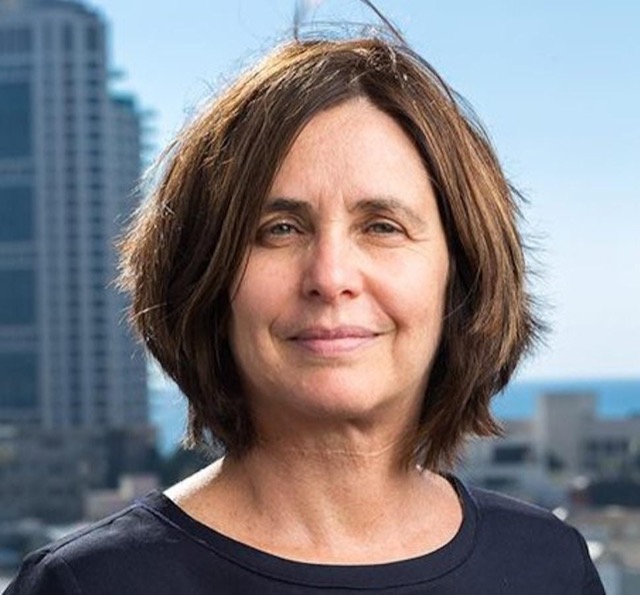
MIT cryptographer and theoretical computer scientist, co-inventor of zero-knowledge proofs, and Turing Award winner. Her work helped establish the foundations of modern cryptography, including how to define security precisely and prove that a system satisfies it.
Leading RESI’s Cryptographic verification working group
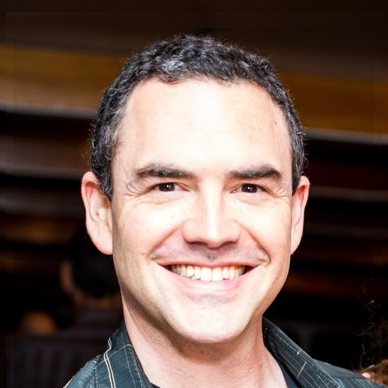
AI safety and ethics researcher whose work spans learning theory, game theory, and fairness. Previously a research scientist at OpenAI, he bridges frontier-AI practice with theory, with recent work on hallucinations, fairness in chatbots, and safer generation through model consensus.
Leading RESI’s Modular architectures working group
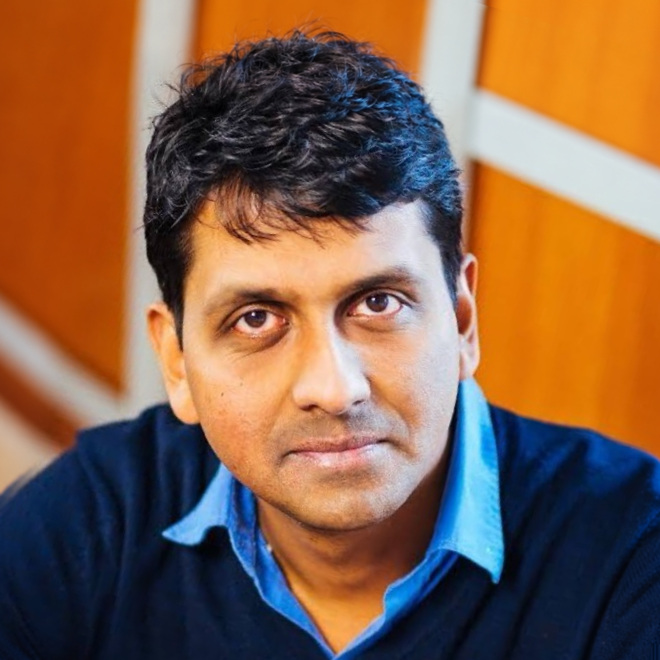
MIT cryptographer and theoretical computer scientist with foundational work in lattice-based cryptography and fully homomorphic encryption, enabling computation on encrypted data. He explores links among cryptography, statistics, and machine learning. Gödel Prize winner.
Leading RESI’s Monitoring and control working group
Research team
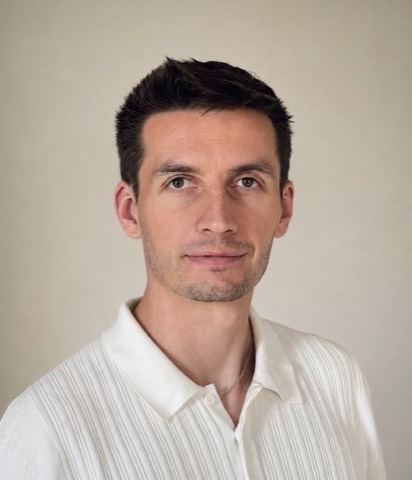
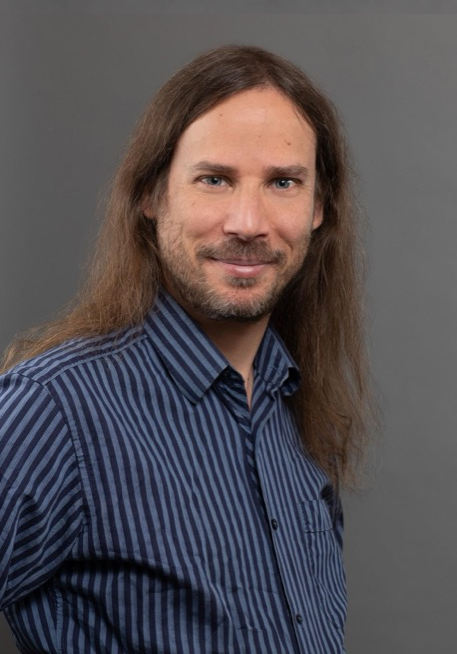
Greg Gluch
Leading RESI’s AI safety using quantum effects working group
Theoretical computer scientist using tools from cryptography and computational complexity to study AI safety and alignment. A Simons-Berkeley postdoctoral researcher based at MIT, he earned his PhD at EPFL.
Yannai A. Gonczarowski
Leading RESI’s Game-theoretic foundations of AI safety working group
Harvard economist and computer scientist working at the intersection of economic theory and theoretical computer science, including mechanism design and market design. He leads RESI’s working group on Game-Theoretic Foundations of AI Safety. ACM SIGecom Doctoral Dissertation Award winner.
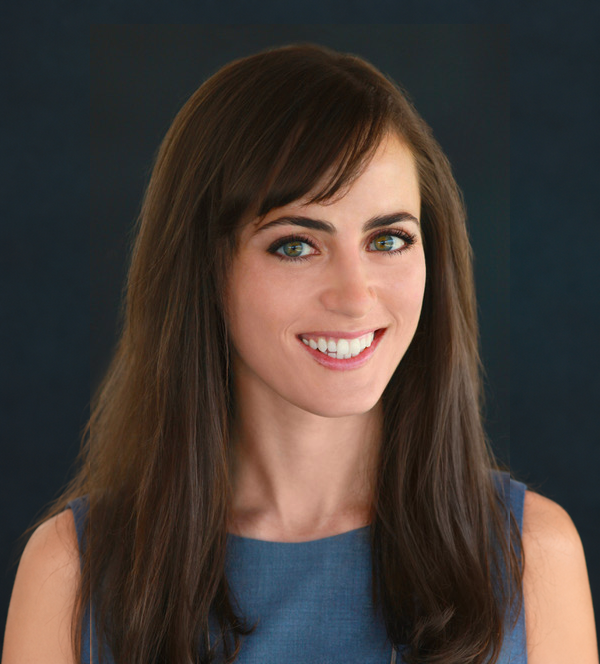
Chloé Bakalar
Leading RESI’s Ethics and superintelligence working group
Moral and political philosopher working on applied and normative AI ethics, including the development, evaluation, and governance of advanced AI systems. Her experience includes leading AI ethics at OpenAI and serving as chief ethicist at Meta.

Sam Gunn
Leading RESI’s Data attribution working group
MIT mathematics postdoctoral researcher working on cryptography and the foundations of AI. His research includes watermarking generated content and understanding how training data influences model behavior, alongside work in quantum computing. He earned his PhD at UC Berkeley.
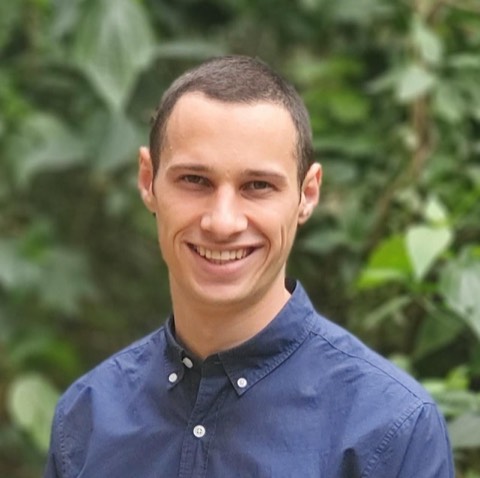
Noam Kolt
Leading RESI’s Legal alignment working group
Assistant professor in law and computer science at the Hebrew University, where he leads the Governance of AI Lab. His research examines the governance of AI agents, how to evaluate AI systems’ compliance with law, and how advanced AI may affect the rule of law.
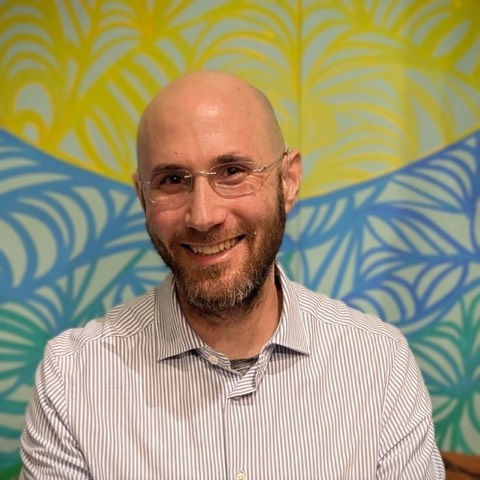
Jonathan Shafer
Leading RESI’s AI harnesses working group
MIT postdoctoral researcher and incoming professor at the Weizmann Institute of Science, working on computational and statistical learning theory and its connections to cryptography. His research includes methods for verifying machine learning and defending models against backdoors. He earned his PhD at UC Berkeley.
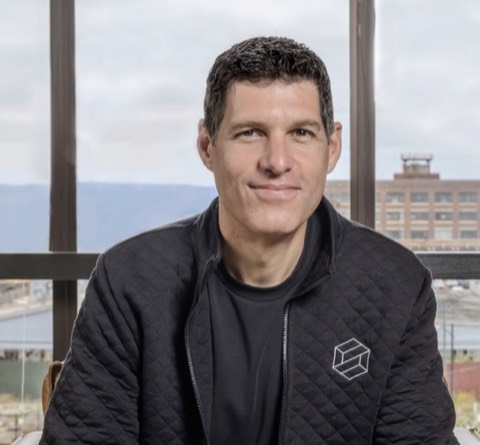
Yaron Singer
Leading RESI’s Cryptography and cybersecurity working group
CEO and co-founder of Frontier Security, working on AI security, adversarial robustness, and robust optimization. Previously a VP at Cisco, founder and CEO of Robust Intelligence (acquired by Cisco), and Harvard professor of computer science and applied mathematics. Sloan Fellow.
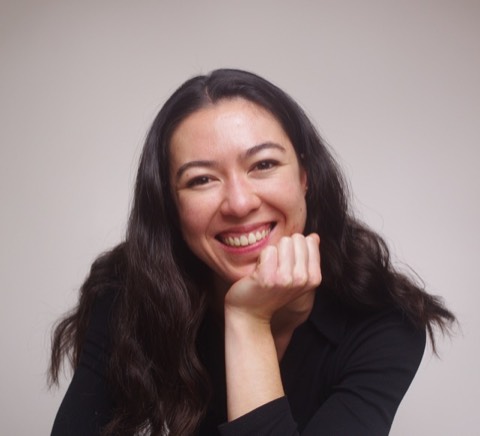
Miranda Christ
MIT postdoctoral researcher with a PhD from Columbia. Works on practically motivated problems in cryptography, particularly its intersection with machine learning, including watermarking methods for AI-generated content.
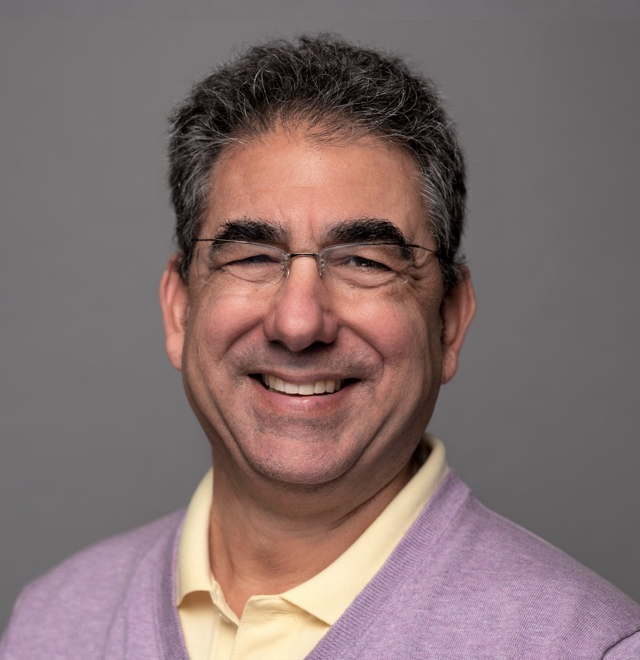
Ran Canetti
Boston University professor working on the design, analysis, and composition of cryptographic protocols: how to build secure systems and preserve their security when components are combined. His research also includes program obfuscation and its applications.
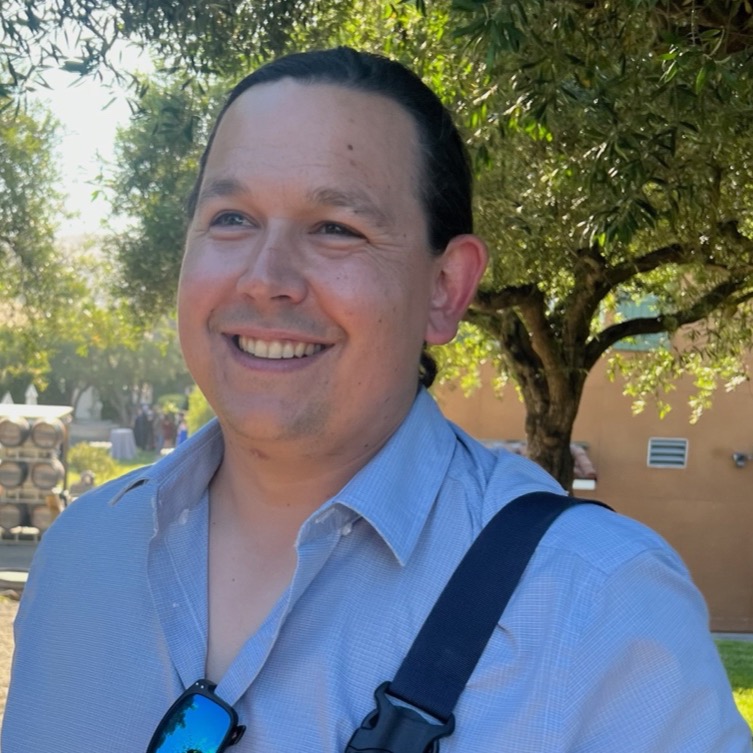
Dylan Hadfield-Menell
MIT professor leading the Algorithmic Alignment Group. His research examines how AI systems can learn from human feedback and act in accordance with human goals and values, alongside methods for evaluating and overseeing deployed systems.
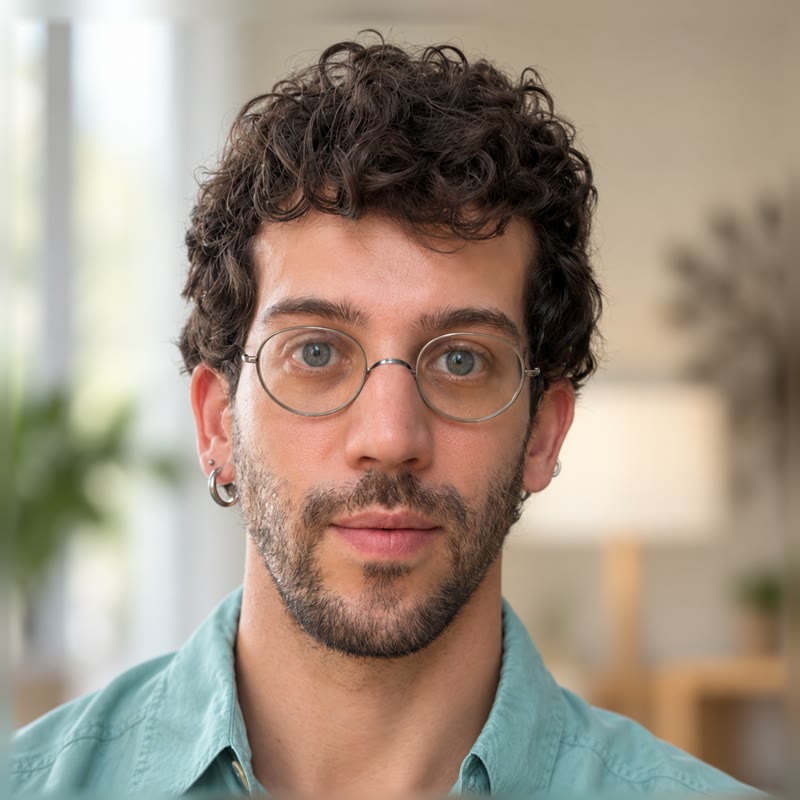
Tal Herman
Simons-Berkeley postdoctoral researcher based at MIT, with a PhD from the Weizmann Institute. Works on complexity theory and cryptography, with a particular focus on interactive proofs for data science and methods for verifying properties of probability distributions.
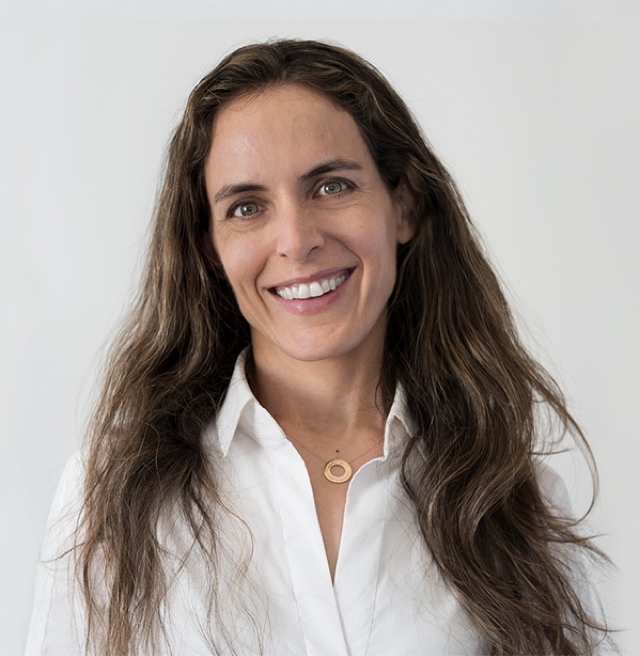
Yael Tauman Kalai
MIT cryptographer and theoretical computer scientist working on verifiable delegation, interactive proofs, and cryptographic protocols. Her work develops ways to check computations carried out by other systems efficiently and securely. Winner of the ACM Prize in Computing.
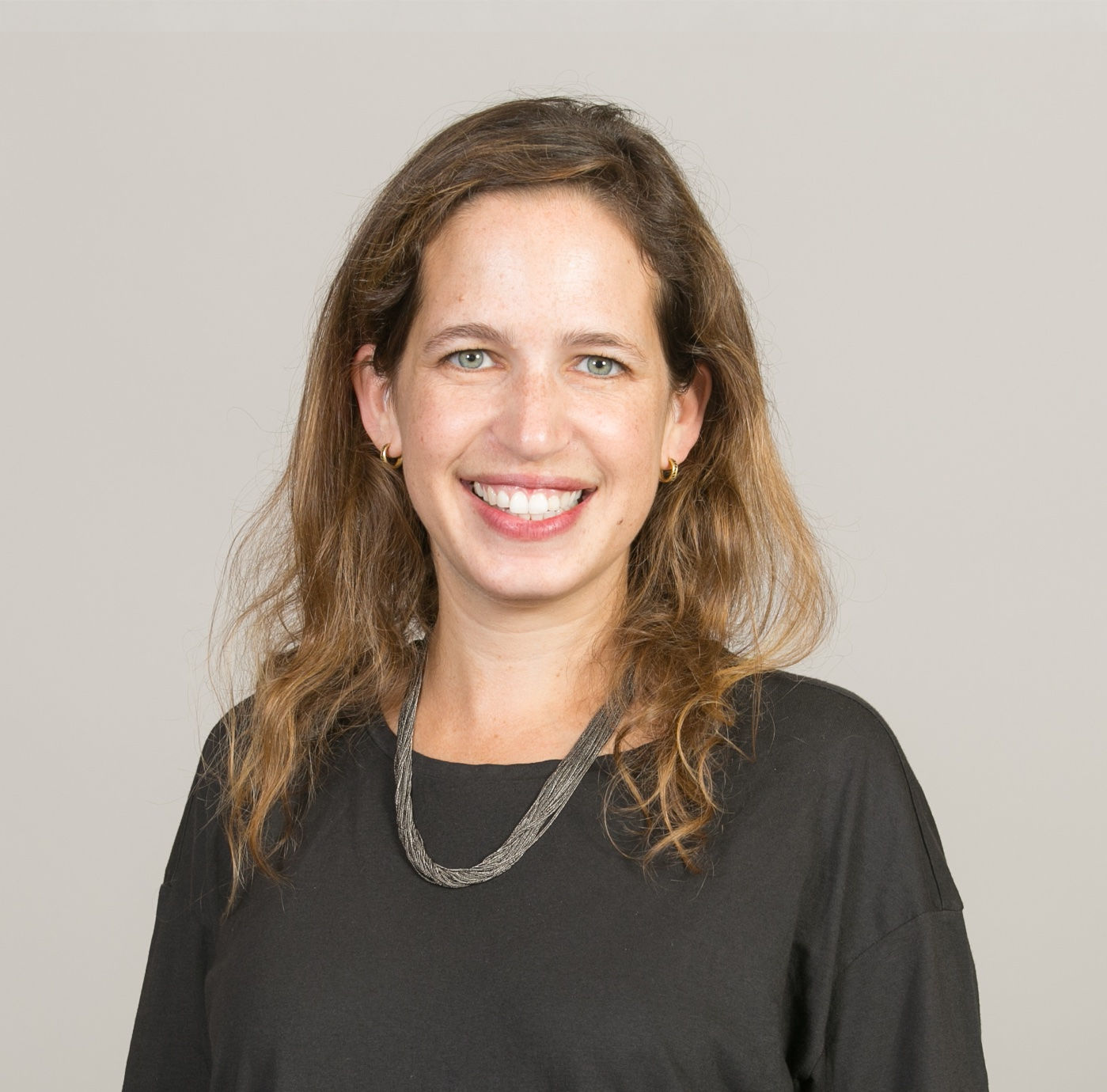
Anat Perry
Associate professor of psychology at the Hebrew University and fellow at Harvard’s Berkman Klein Center. She studies empathy and social cognition, including how people experience and value AI-generated empathy and what human–AI interaction means for relationships and human flourishing.
Daniela Rus
MIT roboticist and director of the Computer Science and Artificial Intelligence Laboratory (CSAIL). Her research spans autonomous systems and embodied intelligence, including methods for safe control and planning in the physical world. MacArthur Fellow.
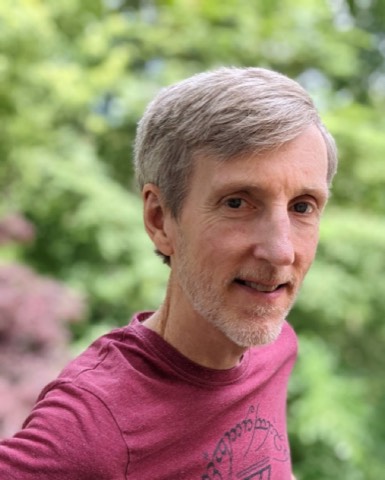
Andrew V. Sutherland
MIT mathematician working in computational number theory and arithmetic geometry. His work also spans AI-assisted mathematical discovery, formal verification, and large-scale mathematical databases, connecting mathematical research with tools for discovering and checking new results.
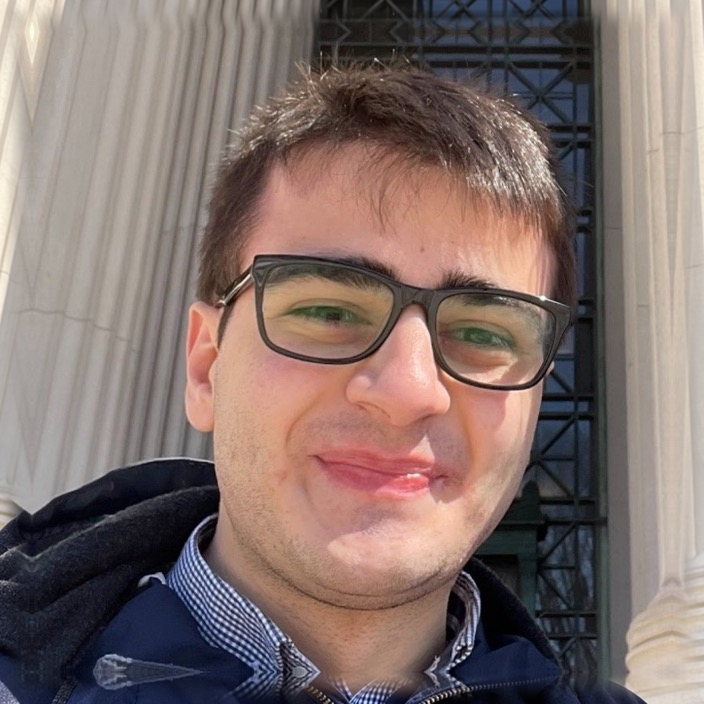
Mirac Suzgun
Stanford computer science PhD candidate studying the capabilities and limitations of language models, particularly reasoning, factuality, and hallucinations. His work also examines the use of AI in law and medicine, alongside legal scholarship on AI governance. He holds a JD from Stanford Law School.
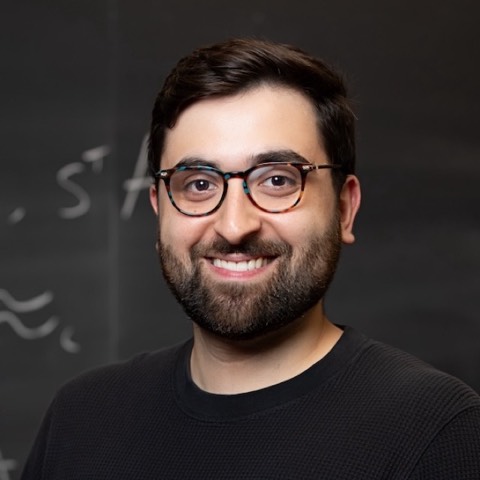
Neekon Vafa
Junior Fellow of the Harvard Society of Fellows, with a PhD in mathematics from MIT. Works on cryptography and its connections to statistics and trustworthy AI, including the security of machine-learning models against hidden backdoors.
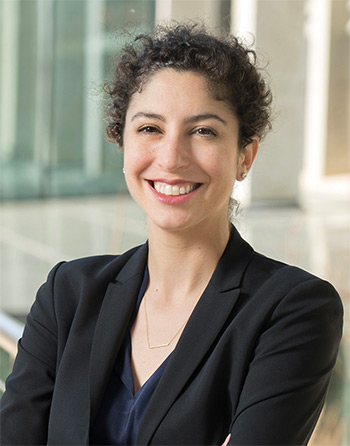
Rebecca Wexler
Alfred W. Bressler Professor of Law at Columbia. Studies evidence and criminal law, with a particular focus on how technological and legal choices shape privacy, secrecy, and accountability. Her work includes the authentication of AI-generated evidence and applications of zero-knowledge proofs to legal verification.
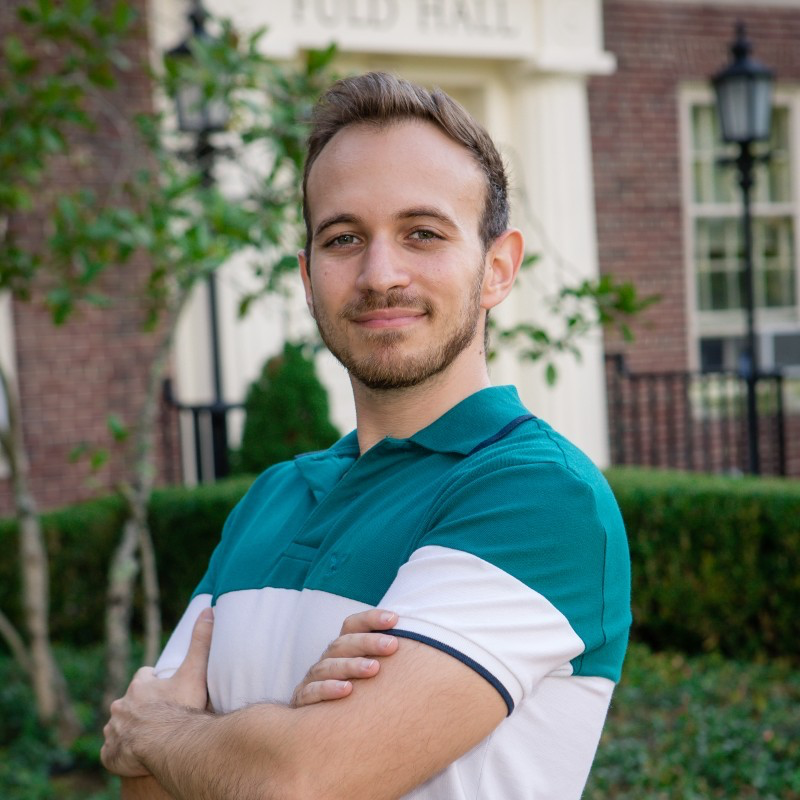
Or Zamir
Assistant professor of computer science at Tel Aviv University working on algorithms, data structures, combinatorics, graph theory, cryptography, and the foundations of provable AI safety. Previously a member at the Institute for Advanced Study and an associate research scholar at Princeton University, he earned his PhD at Tel Aviv University.
Operations
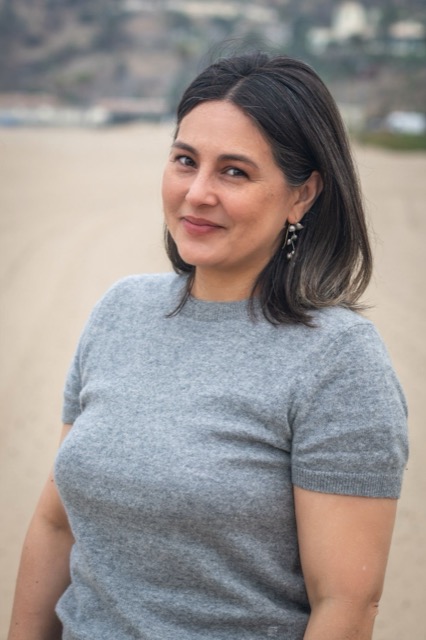
Emily Uyeda Kantrim
Emily Uyeda Kantrim’s work spans nonprofit, government, research, and social innovation, with a focus on turning ambitious ideas into durable institutions, scalable systems, and measurable public impact.
Affiliated groups
Join us
RESI’s culture is mission-first: open collaboration and early sharing of ideas. To protect junior researchers, we will actively support their credit and careers.
Visit
RESI hosts a small number of researchers and visitors and welcomes inquiries from researchers whose expertise could contribute to RESI’s research, whether or not they have previously worked on AI safety.
Scientists interested in visiting can contact hello@resi.org.
AI Safety Reading Group
The AI safety reading group offers an entry point into the RESI community through weekly discussions of technical and non-technical work on AI safety. No particular background is required.
A limited number of outside guests can join each session. Complete the interest form to participate.
Local students interested in AI safety may also want to explore the Cambridge Boston Alignment Initiative.